
How Weather Changes Affect Dental Health


Weather changes do not only affect your mood and skin—they can also have a real impact on your dental health. Many people notice tooth pain, sensitivity, or gum discomfort when temperatures rise or drop suddenly. Understanding how weather affects your teeth and gums can help you prevent discomfort and protect your oral health all year round.
How Cold Weather Affects Teeth
Cold temperatures are one of the most common triggers for dental discomfort.
Tooth Sensitivity in Cold Weather
When exposed to cold air or cold foods, teeth can become painful. This happens because:
- Enamel may be thin or worn
- Roots may be exposed due to gum recession
- Small cracks in teeth expand in cold temperatures
Cold air causes the tooth structure to contract, which can irritate the nerves inside the tooth, leading to sharp pain.
Dry Mouth in Winter
Cold weather often comes with indoor heating, which reduces humidity. This can cause dry mouth, reducing saliva production. Saliva is essential because it:
- Washes away bacteria
- Neutralizes acids
- Protects against tooth decay
A dry mouth increases the risk of cavities and gum disease.
How Hot Weather Affects Dental Health
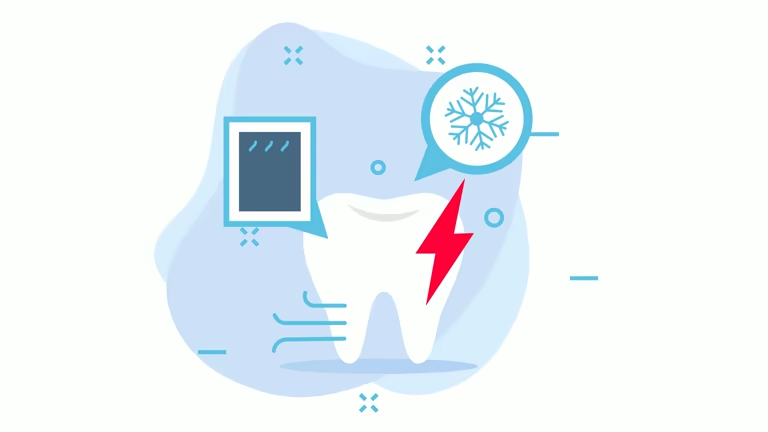

Hot and humid weather can also create dental problems.
Dehydration and Oral Health
In hot weather, people sweat more and may become dehydrated. Dehydration leads to reduced saliva flow, which can:
- Increase plaque buildup
- Cause bad breath
- Raise the risk of tooth decay
Increased Bacterial Growth
Warm temperatures create an ideal environment for bacteria to multiply. This can worsen:
- Gum inflammation
- Gingivitis
- Existing dental infections
Seasonal Changes and Tooth Pain
Sudden changes in air pressure—common during seasonal transitions—can affect teeth, especially if there are:
- Hidden cavities
- Dental abscesses
- Poorly sealed fillings or crowns
Air pressure changes can cause trapped air inside the tooth to expand or contract, leading to pain.
Rainy Weather and Gum Health
Rainy or humid weather may indirectly affect dental health by:
- Increasing sinus pressure, which can feel like upper tooth pain
- Triggering inflammation in people with sinus infections
This pain is often mistaken for toothache, but a dentist can determine the real cause.
How to Protect Your Teeth in All Weather Conditions


Here are simple steps to maintain healthy teeth regardless of the weather:
- Brush twice daily with fluoride toothpaste
- Use a soft-bristled toothbrush to protect enamel
- Stay hydrated to maintain saliva production
- Use a desensitizing toothpaste if you experience sensitivity
- Avoid very hot or very cold foods if your teeth are sensitive
- Visit your dentist regularly for checkups and cleanings
When to See a Dentist
If weather-related tooth pain:
- Lasts more than a few days
- Is sharp or severe
- Occurs without exposure to hot or cold foods
It may indicate an underlying dental problem that requires professional treatment.
Final Thoughts
Weather changes can have a noticeable impact on dental health, especially for people with sensitive teeth, gum issues, or untreated dental problems. By understanding these effects and practicing good oral hygiene, you can keep your smile healthy and comfortable in every season.
If you experience persistent dental discomfort, consulting a dental professional is always the best solution.
